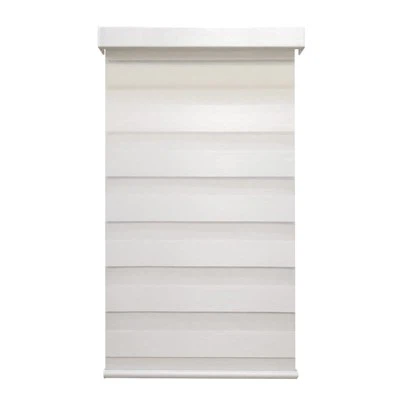
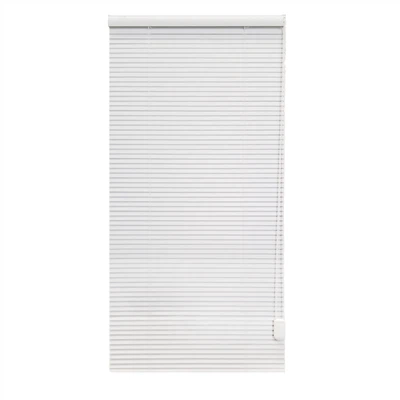
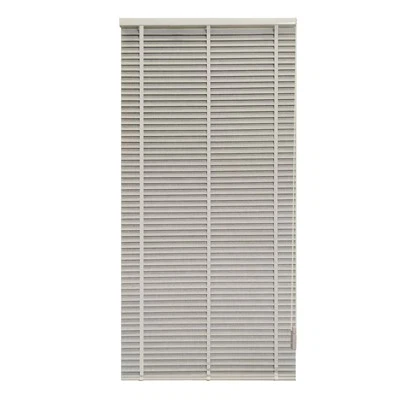
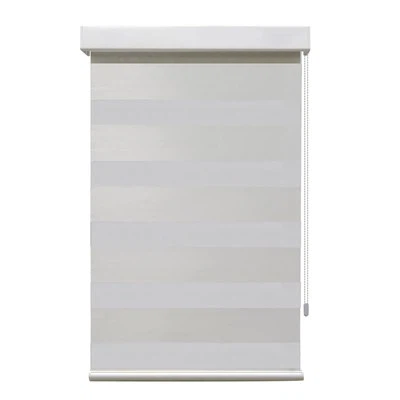
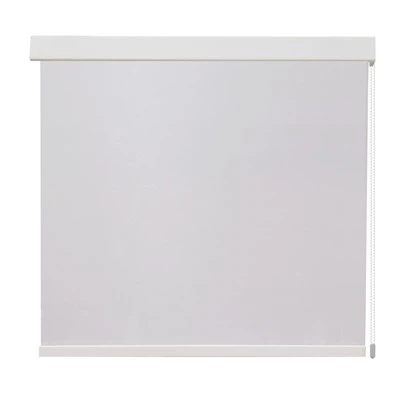
Hey there, folks! As a supplier of Textile Venetian Blinds, I've got to give you the lowdown on the not - so - great things about these window coverings. Now, don't get me wrong, Textile Venetian Blinds have their charm. But like any product, they come with a set of disadvantages. Let's dive right in!
1. Durability Concerns
One of the biggest issues with Textile Venetian Blind is their durability. Fabric materials just aren't as tough as some other options. For instance, compared to Wood Venetian Blind or Aluminum Venetian Blind, textile blinds are more prone to wear and tear.
If you have kids or pets running around the house, those little paws and hands can easily snag or pull on the fabric slats. Even normal daily use can take a toll on them. The constant opening and closing of the blinds can cause the seams to come apart over time, or the fabric to fray at the edges.
And let's talk about sunlight. Textiles are super sensitive to UV rays. Prolonged exposure to sunlight can fade the color of the fabric, making your once - vibrant blinds look dull and washed out. You might think you're getting a great-looking window treatment, but in a few years, it could end up looking like it's seen better days.
2. Cleaning Hassles
Cleaning Textile Venetian Blind is no walk in the park. Unlike their wood or aluminum counterparts, you can't just wipe them down with a damp cloth and call it a day. Textile blinds trap dust and dirt easily, and it can be really hard to get them completely clean.
If you try to vacuum them, the fabric can get caught in the vacuum cleaner's attachments. And if you attempt to wash them in the washing machine, there's a high chance that the blinds will get damaged. The fabric might shrink, lose its shape, or the colors might bleed.
Spot cleaning can help, but it's only a temporary fix. You'll still end up with a build - up of dirt over time, which can make your blinds look dirty and unkempt. And let's face it, a dirty window covering can really bring down the whole look of a room.
3. Cost Considerations
When it comes to cost, Textile Venetian Blind might seem like a good deal at first glance. However, if you look at the long - term picture, they can actually end up being more expensive.


Due to their lack of durability, you'll probably need to replace them more often than wood or aluminum blinds. This means spending more money in the long run. And let's not forget about the cost of cleaning. If you decide to take them to a professional cleaner to avoid damaging them, that's an additional expense.
Even if you try to clean them yourself, you might end up buying special cleaning products designed for delicate fabrics, which can add up over time. So, while the initial purchase price might be lower, the overall cost of owning textile blinds can be quite high.
4. Privacy and Light Control Limitations
Privacy and light control are two important factors when it comes to window coverings. Unfortunately, Textile Venetian Blind don't always measure up.
Textile fabrics are often semi - transparent, especially when the sun shines through them. This means that at certain times of the day, people outside might be able to see inside your home. If you're looking for complete privacy, textile blinds might not be the best choice.
In terms of light control, while you can adjust the slats to block out some light, the fabric itself can still let in a fair amount of sunlight. This can be a problem if you're trying to create a dark environment for sleeping or if you're using the room for a home theater. You might end up having to use additional blackout curtains to achieve the desired level of light control, which is another cost and hassle.
5. Limited Functionality in High - Humidity Areas
If you're thinking about installing Textile Venetian Blind in high - humidity areas like bathrooms or kitchens, think again. Textiles absorb moisture easily, which can lead to a whole host of problems.
In a bathroom, the constant steam from showers can cause the fabric to become damp and moldy. Mold not only looks bad but can also be a health hazard. In the kitchen, grease and moisture from cooking can stick to the fabric, making it even dirtier and harder to clean.
The moisture can also cause the fabric to warp or lose its shape, making the blinds difficult to operate. You might find that the slats don't open and close smoothly, or they get stuck in certain positions.
Conclusion
Well, there you have it - the main disadvantages of Textile Venetian Blind. I know this might seem like a lot of negative stuff, but it's important to be aware of these issues before making a purchase.
If you're still interested in textile blinds and think the advantages outweigh the disadvantages for your specific needs, I'd love to talk to you. We offer a wide range of Textile Venetian Blind options in different colors, styles, and sizes. Let's have a chat about your requirements and see if we can find the perfect solution for your windows. Reach out to discuss your procurement needs, and we can work together to make your space look great!
References
- Window Covering Industry Reports
- Consumer Reviews on Textile Venetian Blinds