Softness blinds have gained significant popularity in recent years due to their aesthetic appeal and versatility. As a supplier of softness blinds, I often encounter questions from customers about their ability to block sunlight effectively. In this blog post, I will delve into the science behind how softness blinds work and evaluate their performance in blocking sunlight.
Understanding Softness Blinds
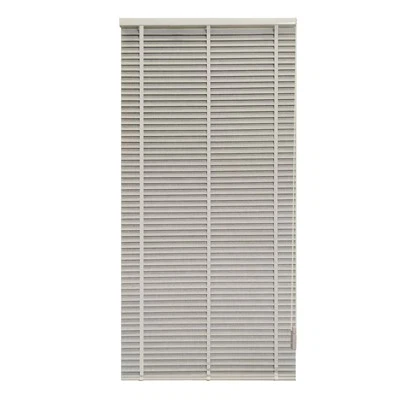
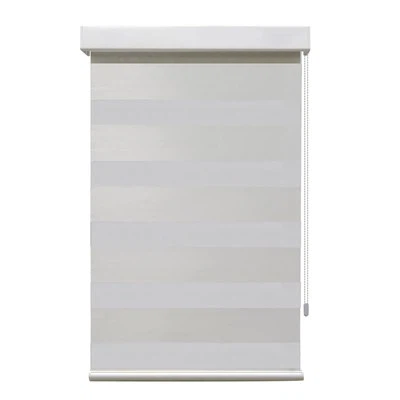
Softness blinds are a type of window covering that typically consists of fabric slats or panels. These blinds come in various styles, including cordless, chain, and motorized options. Cordless Softness Blind offer a sleek and modern look, eliminating the risk of cords getting tangled or posing a safety hazard, especially in homes with children or pets. Chain Softness Blind provide a traditional way of operating the blinds, allowing users to adjust the angle of the slats easily. Mortorized Softness Blind offer the ultimate convenience, enabling users to control the blinds with a remote control or even integrate them with smart home systems.
The fabric used in softness blinds plays a crucial role in their ability to block sunlight. Most softness blinds are made from a combination of materials, including polyester, cotton, and sometimes a layer of vinyl or other light-blocking materials. The density and thickness of the fabric, as well as its color and texture, can all affect how well the blinds block sunlight.
How Sunlight Blocking Works
Sunlight consists of visible light, ultraviolet (UV) rays, and infrared (IR) rays. When sunlight hits a window covering, several things can happen. Some of the light is reflected back off the surface of the covering, some is absorbed by the material, and some may pass through.
The ability of a window covering to block sunlight is measured by its light transmittance, which is the percentage of light that passes through the material. A lower light transmittance means that more light is being blocked. Additionally, a good window covering should also block a significant amount of UV and IR rays to protect your furniture, flooring, and other interior elements from fading and damage.
Factors Affecting Sunlight Blocking in Softness Blinds
Fabric Density and Thickness
Denser and thicker fabrics generally block more sunlight than thinner ones. Fabrics with a high thread count or a tight weave can prevent more light from passing through. For example, blackout fabrics are specifically designed to have a very low light transmittance, often less than 5%. These fabrics are typically used in bedrooms or media rooms where complete darkness is desired.
Color
Dark-colored fabrics tend to absorb more light than light-colored ones. A black or dark gray softness blind will block more sunlight than a white or light-colored one. This is because darker colors have a higher absorption coefficient, which means they can convert more of the light energy into heat.
Texture
The texture of the fabric can also affect sunlight blocking. Smooth fabrics may reflect more light, while textured fabrics can help to scatter and absorb light. For instance, a fabric with a slightly rough or napped surface can trap light within its fibers, reducing the amount of light that passes through.
Installation and Adjustment
Proper installation and adjustment of softness blinds are essential for optimal sunlight blocking. Blinds that are not installed correctly or are not adjusted to cover the entire window area may allow light to pass through the gaps. It is important to ensure that the blinds fit snugly against the window frame and that the slats or panels are fully extended and aligned.


Performance of Softness Blinds in Blocking Sunlight
In general, softness blinds can provide a good level of sunlight blocking, especially when the right fabric and style are chosen. Blackout softness blinds, for example, can effectively block out most of the sunlight, creating a dark and comfortable environment. These blinds are ideal for bedrooms, nurseries, and media rooms where light control is crucial.
However, it is important to note that no window covering can block 100% of the sunlight. Even the best blackout blinds may allow a small amount of light to seep through around the edges or at the top and bottom of the window. Additionally, the performance of softness blinds can be affected by factors such as the angle of the sun and the orientation of the window.
Comparing Softness Blinds with Other Window Coverings
When compared to other types of window coverings, such as roller shades, Venetian blinds, or shutters, softness blinds offer a unique combination of style and sunlight blocking capabilities.
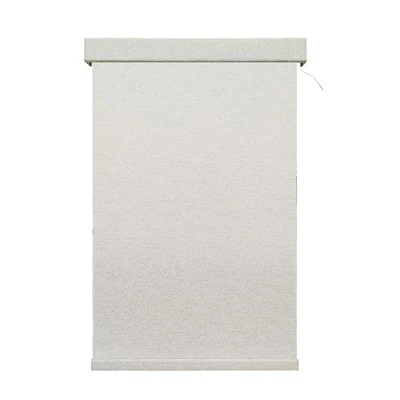
Roller shades are also popular for their simplicity and light control. However, they may not provide as much flexibility in terms of adjusting the amount of light as softness blinds. Roller shades typically either cover the entire window or are fully retracted, while softness blinds can be adjusted to different angles to control the amount of light and ventilation.
Venetian blinds are made of horizontal slats, usually made of metal, wood, or plastic. They can be adjusted to different angles to control sunlight, but they may not block as much light as softness blinds, especially when the slats are in an open position.
Shutters are a more permanent and sturdy window covering option. They can provide excellent sunlight blocking when fully closed, but they may be more expensive and less flexible than softness blinds.
Real-World Applications and Customer Experiences
Many customers who have installed softness blinds in their homes have reported positive experiences with sunlight blocking. In bedrooms, softness blinds have helped to create a dark and peaceful sleeping environment, allowing for better rest. In living rooms and offices, they have reduced glare on televisions and computer screens, making it more comfortable to watch TV or work on a computer.
Some customers have also noted that softness blinds have helped to reduce their energy costs. By blocking out the sunlight during the hot summer months, the blinds can prevent the sun's heat from entering the room, reducing the need for air conditioning. In the winter, they can provide an additional layer of insulation, helping to keep the room warm.
Conclusion
Softness blinds can block sunlight well, especially when the right fabric, color, and style are chosen. They offer a versatile and stylish window covering solution that can be customized to meet the specific needs of different rooms and applications. Whether you are looking for complete blackout in a bedroom or just some light control in a living room, there is a softness blind option available for you.
As a supplier of softness blinds, I am committed to providing high-quality products that offer excellent sunlight blocking performance. If you are interested in purchasing softness blinds for your home or business, I encourage you to contact me to discuss your specific requirements. We can work together to find the perfect softness blinds that will not only block sunlight effectively but also enhance the aesthetic appeal of your space.
References
- American Society for Testing and Materials (ASTM). Standard Test Method for Determining Solar Optical Properties of Glazing Materials and Fading Resistance of Systems. ASTM E903 - 12.
- Window Coverings Association of America (WCAA). Guide to Window Coverings.
- Energy Star. Energy-Efficient Window Coverings.