Adjusting the tension of a motorized roller blind is a crucial skill that can significantly enhance the functionality and longevity of your window covering. As a supplier of high-quality Motorized Roller Blinds, I've encountered numerous customers facing challenges with tension adjustment. In this blog post, I'll share some practical tips and techniques to help you adjust the tension of your motorized roller blind effectively.
Understanding the Importance of Tension Adjustment
Before delving into the adjustment process, it's essential to understand why tension adjustment is necessary. A motorized roller blind with proper tension ensures smooth operation, even when the blind is fully extended or retracted. It prevents the blind from sagging, wrinkling, or getting stuck, which can not only affect the blind's appearance but also its performance. Moreover, correct tension can extend the lifespan of the blind by reducing wear and tear on the motor and other components.
Tools You'll Need
To adjust the tension of your motorized roller blind, you'll need a few basic tools:
- Screwdriver: Depending on the type of motorized roller blind you have, you may need a Phillips or flathead screwdriver to access the adjustment mechanism.
- Ladder: If your roller blind is installed at a high position, a ladder will be necessary to reach it safely.
- Tape Measure: This tool can be helpful for measuring the length of the blind and ensuring that it's evenly adjusted.
Step-by-Step Guide to Adjusting Tension
The process of adjusting the tension of a motorized roller blind may vary depending on the specific model and manufacturer. However, the following general steps can serve as a guide:
Step 1: Identify the Adjustment Mechanism
Most motorized roller blinds have an adjustment mechanism located on the side or end of the tube. This mechanism is typically a small screw or dial that can be turned to increase or decrease the tension. Refer to the manufacturer's instructions to locate the adjustment mechanism for your specific model.
Step 2: Loosen the Blind
Before making any adjustments, it's important to loosen the blind completely. This can usually be done by using the remote control or wall switch to lower the blind to its fully extended position.
Step 3: Adjust the Tension
Once the blind is fully extended, use the screwdriver or dial to make small adjustments to the tension. Turning the screw clockwise will typically increase the tension, while turning it counterclockwise will decrease the tension. Make small adjustments at a time and test the blind's operation after each adjustment to ensure that the tension is correct.
Step 4: Check for Evenness
As you adjust the tension, it's important to check that the blind is evenly adjusted across its width. Use a tape measure to measure the distance between the bottom of the blind and the window sill at several points along the width of the blind. If the blind is not evenly adjusted, make additional adjustments to the tension until it is.
Step 5: Test the Blind
After making the necessary adjustments, test the blind's operation by using the remote control or wall switch to raise and lower the blind several times. The blind should move smoothly and evenly without any sagging, wrinkling, or getting stuck. If you notice any issues, make further adjustments to the tension until the blind operates correctly.
Troubleshooting Common Issues
Even with proper adjustment, you may encounter some common issues with your motorized roller blind. Here are some troubleshooting tips to help you resolve these issues:
Issue 1: The Blind Is Sagging
If the blind is sagging in the middle or at one end, it may be due to insufficient tension. Try increasing the tension by turning the adjustment screw clockwise. If the problem persists, check for any obstructions or damage to the blind or the motor.
Issue 2: The Blind Is Wrinkling
Wrinkling can occur if the tension is too high or if the blind is not installed correctly. Try decreasing the tension by turning the adjustment screw counterclockwise. If the wrinkling persists, check the installation of the blind to ensure that it is level and properly aligned.
Issue 3: The Blind Is Getting Stuck
If the blind is getting stuck when it is being raised or lowered, it may be due to a problem with the motor or the adjustment mechanism. Check the motor to ensure that it is functioning properly and that there are no loose wires or connections. If the problem persists, contact the manufacturer or a professional installer for further assistance.
Different Types of Motorized Roller Blinds and Their Tension Adjustment
There are several types of motorized roller blinds available in the market, each with its own unique features and adjustment requirements. Here's a brief overview of some common types of motorized roller blinds and how to adjust their tension:
Pull-Chain Motorized Roller Blind
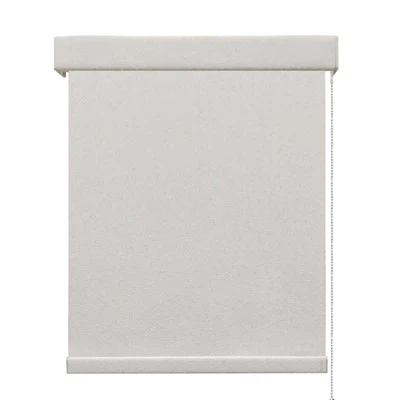
Pull-chain motorized roller blinds are a popular choice for their simplicity and ease of use. To adjust the tension of a pull-chain motorized roller blind, locate the adjustment mechanism on the side of the tube. Use a screwdriver to turn the adjustment screw clockwise to increase the tension or counterclockwise to decrease the tension.
Cordless Roller Blind
Cordless roller blinds are a great option for homes with children or pets, as they eliminate the risk of entanglement. To adjust the tension of a cordless roller blind, locate the adjustment mechanism on the end of the tube. Use a small Allen wrench or screwdriver to turn the adjustment screw clockwise to increase the tension or counterclockwise to decrease the tension.
Maintenance Tips to Keep Your Motorized Roller Blind in Good Condition
In addition to adjusting the tension, regular maintenance can help keep your motorized roller blind in good condition and extend its lifespan. Here are some maintenance tips to follow:


- Clean the Blind Regularly: Use a soft, damp cloth to clean the blind's fabric or slats. Avoid using harsh chemicals or abrasive cleaners, as these can damage the blind.
- Check the Motor and Components: Periodically check the motor and other components of the blind for any signs of damage or wear. If you notice any issues, contact the manufacturer or a professional installer for repair or replacement.
- Lubricate the Moving Parts: To ensure smooth operation, lubricate the moving parts of the blind, such as the gears and bearings, with a light oil or lubricant.
Conclusion
Adjusting the tension of a motorized roller blind is a relatively simple process that can significantly improve the blind's functionality and appearance. By following the steps outlined in this blog post and using the right tools, you can easily adjust the tension of your motorized roller blind and keep it in good condition for years to come.
If you're in the market for a high-quality motorized roller blind or need further assistance with tension adjustment or maintenance, please don't hesitate to contact us. We're a leading supplier of motorized roller blinds and other window coverings, and we're committed to providing our customers with the best products and services.
References
- Manufacturer's instructions for your specific motorized roller blind model.
- General knowledge and experience in the window covering industry.