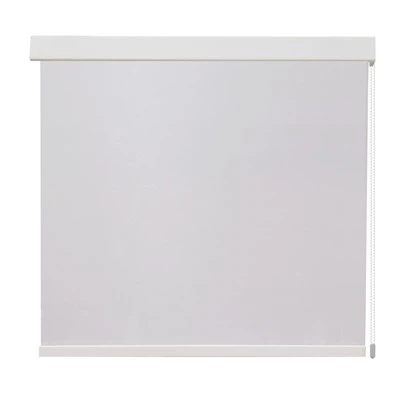
As a supplier of Motorized Roman Blinds, I often get asked about the energy consumption of these innovative window coverings. In this blog post, I'll delve into the details of what affects the energy consumption of Motorized Roman Blinds and how you can make informed decisions when choosing them for your home or business.

Understanding Motorized Roman Blinds
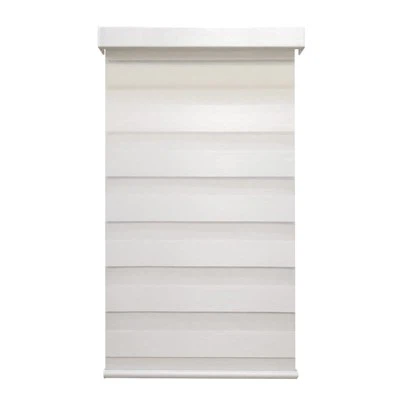
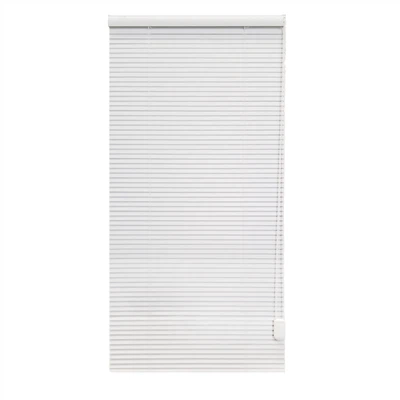
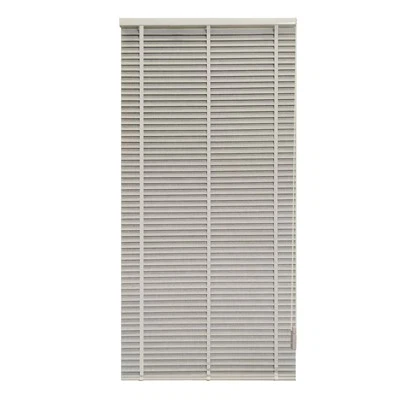
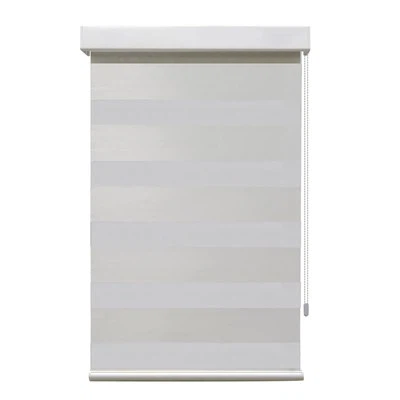
Before we discuss energy consumption, let's briefly understand what Motorized Roman Blinds are. Motorized Roman Blinds are a modern alternative to traditional cord - operated or chain - operated blinds. They use an electric motor to raise and lower the blind, which can be controlled via a remote control, a wall switch, or even integrated with smart home systems. You can explore our range of Cordless Roman Blind and Chain Roman Blind on our website, but today we focus on the motorized version Motorized Roman Blind.
Factors Affecting Energy Consumption
- Motor Efficiency
The efficiency of the motor used in the Motorized Roman Blind is a crucial factor in determining energy consumption. High - quality motors are designed to convert electrical energy into mechanical energy with minimal losses. Motors with advanced technology, such as brushless DC motors, are generally more energy - efficient than traditional brushed motors. Brushless DC motors have fewer moving parts, which reduces friction and heat generation, resulting in lower energy consumption. For example, a well - designed brushless DC motor in a Motorized Roman Blind may consume up to 30% less energy compared to a brushed motor over the same period of use. - Frequency of Use
How often you operate your Motorized Roman Blinds directly impacts their energy consumption. If you frequently open and close the blinds throughout the day, the motor will run more often, consuming more energy. On the other hand, if you set a fixed schedule for opening and closing the blinds or use them only occasionally, the energy consumption will be relatively low. For instance, in a commercial building where the blinds are adjusted multiple times a day to control sunlight and privacy, the energy consumption will be higher compared to a residential setting where the blinds are adjusted only a few times a week. - Blind Size and Weight
The size and weight of the Motorized Roman Blind also play a role in energy consumption. Larger and heavier blinds require more power to move. A wider and longer blind has more fabric and a larger surface area, which means the motor has to work harder to lift and lower it. Similarly, if the blind is made of thick or heavy - duty fabric, it will add to the overall weight and increase the energy needed to operate the motor. For example, a large - scale Motorized Roman Blind covering a floor - to - ceiling window in a commercial space will consume more energy than a small blind in a residential bathroom. - Control System and Automation
The type of control system and automation features can affect energy consumption. Smart home integration allows you to program the blinds to open and close at specific times or based on environmental conditions such as sunlight intensity. This can optimize energy usage by ensuring that the blinds are only operated when necessary. For example, you can set the blinds to close automatically when the sun is at its peak to reduce heat gain in the room, which in turn can reduce the load on your air - conditioning system. In contrast, a basic remote - control system without any automation features may lead to unnecessary operation of the blinds, increasing energy consumption.
Measuring Energy Consumption
To accurately measure the energy consumption of Motorized Roman Blinds, you can use a power meter. A power meter is a device that can be connected between the blind's motor and the electrical outlet. It measures the amount of electrical power (in watts) consumed by the motor over a specific period of time. By recording the power consumption at different intervals, you can calculate the total energy used (in kilowatt - hours) over a day, week, or month.
For example, if a Motorized Roman Blind motor has a power rating of 10 watts and it runs for a total of 10 minutes (or 1/6 of an hour) per day, the energy consumption per day can be calculated as follows:
Energy (kWh) = Power (kW)×Time (h)
Since 10 watts = 0.01 kW and time = 1/6 h, the energy consumption per day is 0.01×(1/6) = 0.00167 kWh.
Over a month (assuming 30 days), the energy consumption would be 0.00167×30 = 0.05 kWh.
Energy - Saving Tips for Motorized Roman Blinds
- Choose High - Efficiency Motors
When selecting Motorized Roman Blinds, opt for models with high - efficiency motors. Look for products that are certified for energy efficiency or have been tested to meet industry standards. High - efficiency motors not only consume less energy but also tend to have a longer lifespan and require less maintenance. - Optimize Automation Settings
Take advantage of the automation features of your smart home - integrated Motorized Roman Blinds. Set schedules based on the sun's position and your daily routine. For example, in the summer, close the blinds during the hottest part of the day to reduce heat gain. In the winter, open the blinds during the day to let in sunlight and warm the room. - Select Appropriate Blind Sizes and Fabrics
Choose the right size of blinds for your windows. Avoid oversized blinds that require more energy to operate. Also, select lightweight and energy - efficient fabrics. Some fabrics are designed to reflect sunlight and reduce heat transfer, which can further contribute to energy savings in your home or business. - Regular Maintenance
Keep your Motorized Roman Blinds well - maintained. Regularly clean the tracks and mechanisms to ensure smooth operation. A dirty or jammed track can cause the motor to work harder, increasing energy consumption. Lubricate the moving parts as recommended by the manufacturer to reduce friction.
Conclusion
The energy consumption of Motorized Roman Blinds is influenced by several factors, including motor efficiency, frequency of use, blind size and weight, and control system. By understanding these factors and taking steps to optimize energy usage, you can enjoy the convenience of Motorized Roman Blinds while minimizing their impact on your energy bill.
If you're interested in learning more about our Motorized Roman Blinds or have any questions regarding energy consumption, feel free to reach out to us. We're here to help you make the best choice for your window covering needs. Whether you're a homeowner looking to upgrade your windows or a business owner seeking to enhance the energy efficiency of your commercial space, our team of experts can provide you with the information and support you need. Contact us today to start a conversation about purchasing our high - quality Motorized Roman Blinds.
References
- "Energy - Efficient Window Coverings: A Guide to Saving Energy at Home", U.S. Department of Energy
- "Motor Technology and Efficiency in Small Appliances", Journal of Electrical Engineering
- "Automation and Energy Management in Smart Buildings", International Journal of Sustainable Building Technology and Urban Development