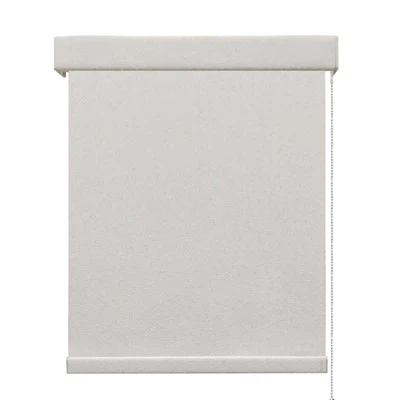
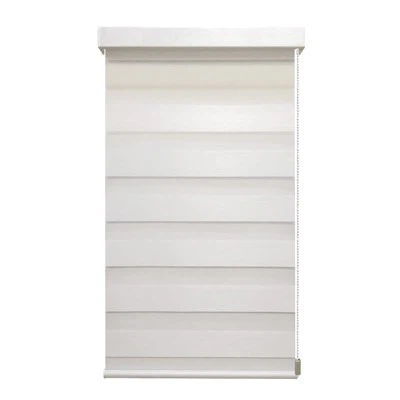
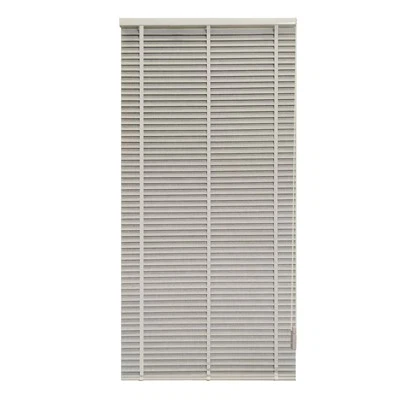
Hey there! I'm a supplier of venetian blinds, and today I wanna chat about the best way to transport these lovely window coverings. Venetian blinds come in different materials, like Textile Venetian Blind, Aluminum Venetian Blind, and Wood Venetian Blind, and each type needs a bit of special attention when it comes to moving them around.
Let's start with understanding the different types of venetian blinds and why they need specific handling during transportation. Textile venetian blinds are soft and can easily get wrinkled or stained. If they're not packed right, those fabric slats can end up looking a mess by the time they reach the destination. Aluminum venetian blinds, on the other hand, are more durable but can get dented or scratched. And wood venetian blinds are prone to warping if they're exposed to too much moisture or if they're not supported properly.
Pre - transportation Preparation
Before you even think about loading the blinds onto a vehicle, there are a few things you gotta do. First off, measure the blinds accurately. This helps you figure out the right size of packaging materials you'll need. You don't want the blinds to be swimming in a huge box or crammed so tight that they get damaged.
Next, clean the blinds. It might seem like an extra step, but it's actually really important. Dirt and dust can scratch the surface of the blinds during transportation. For textile blinds, a gentle vacuum or a soft brush can do the trick. Aluminum blinds can be wiped down with a damp cloth, and wood blinds should be cleaned with a specialized wood cleaner to keep their finish intact.
Once they're clean, it's time to disassemble the blinds if possible. Most venetian blinds have a headrail, slats, and a bottom rail. Taking them apart makes them easier to pack and reduces the risk of damage. Just make sure to keep all the small parts, like the cords and clips, together. You can use a small plastic bag and label it with the corresponding blind.
Packaging Materials
Now, let's talk about the packaging materials. For textile venetian blinds, a soft, breathable fabric bag is a great option. It protects the blinds from dust and light scratches while allowing air to circulate, which helps prevent mold and mildew. You can also add a layer of bubble wrap around the bag for extra cushioning.
Aluminum venetian blinds need something a bit more rigid. Cardboard boxes are a popular choice. Make sure the box is sturdy enough to hold the weight of the blinds and has enough room for some padding. You can use foam inserts or more bubble wrap to line the box and keep the blinds from shifting around.
Wood venetian blinds are a bit more delicate. Wrap them in a thick layer of paper or felt to protect the wood finish. Then, place them in a box with plenty of shock - absorbing materials, like packing peanuts or shredded paper.
Loading the Blinds
When it's time to load the blinds onto the vehicle, be extra careful. Place the boxes or wrapped blinds in an upright position as much as possible. This reduces the risk of the slats bending or getting crushed. If you have to stack the boxes, put the heavier ones on the bottom and the lighter ones on top.
Make sure the load is balanced in the vehicle. An unbalanced load can cause the vehicle to sway during transit, increasing the risk of the blinds getting damaged. You can use straps or ropes to secure the boxes and prevent them from moving around.
Choosing the Right Transportation Method
The choice of transportation method depends on a few factors, like the distance, the quantity of blinds, and the budget. For local deliveries, a small van or a truck might be sufficient. They offer more flexibility in terms of delivery times and can handle smaller loads.
If you're shipping the blinds over a long distance, a freight carrier might be a better option. Freight carriers have the experience and equipment to handle large volumes of goods. However, you need to make sure they have a good track record of handling fragile items like venetian blinds.


In - transit Monitoring
During the journey, it's a good idea to keep an eye on the shipment if possible. Some modern transportation methods allow you to track the location and condition of the goods in real - time. You can use this information to anticipate any potential issues, like delays or rough roads.
If the transportation is taking a long time, especially in extreme weather conditions, you might need to take extra precautions. For example, if it's very hot and humid, you need to make sure the packaging is protecting the blinds from moisture. In cold weather, you want to prevent the blinds from freezing, which could damage the materials.
Unloading and Inspection
Once the blinds reach their destination, it's crucial to unload them carefully. Just like when you loaded them, keep the boxes upright and handle them gently. After unloading, inspect the blinds immediately. Check for any signs of damage, like bent slats, scratches, or missing parts.
If you find any issues, document them right away. Take photos and make a detailed note of what's wrong. This information can be used for insurance claims if necessary.
Conclusion
Transporting venetian blinds requires a combination of careful preparation, proper packaging, and cautious handling. By following these steps, you can ensure that your blinds arrive at their destination in perfect condition.
If you're in the market for high - quality venetian blinds, whether it's Textile Venetian Blind, Aluminum Venetian Blind, or Wood Venetian Blind, I'm here to help. We take pride in our products and our commitment to getting them to you in the best possible shape. If you're interested in purchasing our venetian blinds or have any questions about our transportation process, feel free to reach out and start a conversation.
References
- "Home Improvement Handbook": A comprehensive guide on handling and transporting home decor items.
- Industry best practices from the window covering manufacturing and transportation sectors.