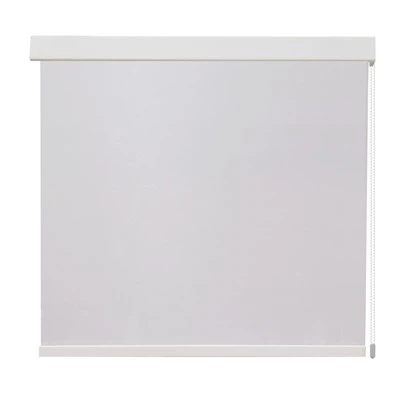
As a supplier of venetian blinds, I've seen firsthand how these window coverings can enhance the look and functionality of any space. But like any mechanical device, venetian blinds need a little TLC to keep them operating smoothly. That's where lubrication comes in. In this blog post, I'll share some tips on how to lubricate the mechanisms of venetian blinds, so you can enjoy hassle-free operation for years to come.
Why Lubricate Venetian Blinds?
Before we dive into the how-to, let's talk about why lubricating your venetian blinds is so important. Over time, the moving parts of your blinds can become dry and sticky, causing them to jam or operate unevenly. This can not only be frustrating but also damage the blinds themselves. By lubricating the mechanisms, you can reduce friction, prevent wear and tear, and keep your blinds working like new.
What You'll Need
Before you start lubricating your venetian blinds, you'll need a few supplies. Here's what you'll need:
- A lubricant: You can use a variety of lubricants to lubricate your venetian blinds, including silicone spray, WD-40, or a specialized blind lubricant. Make sure to choose a lubricant that is safe for use on your type of blinds.
- A clean cloth: You'll need a clean cloth to wipe away any excess lubricant and to clean the blinds before and after lubrication.
- A small brush: A small brush, such as a toothbrush or a paintbrush, can be helpful for applying the lubricant to hard-to-reach areas.
- Safety goggles: If you're using a spray lubricant, it's a good idea to wear safety goggles to protect your eyes from the spray.
How to Lubricate Venetian Blinds
Now that you have your supplies, it's time to start lubricating your venetian blinds. Here's a step-by-step guide on how to do it:
Step 1: Clean the Blinds
Before you start lubricating your blinds, it's important to clean them thoroughly. Use a clean cloth to wipe away any dust, dirt, or debris from the blinds. You can also use a mild detergent and water to clean the blinds if they are particularly dirty. Make sure to dry the blinds completely before proceeding.
Step 2: Identify the Moving Parts
Next, you'll need to identify the moving parts of your blinds that need to be lubricated. This may include the slats, the cords, the pulleys, and the tilt mechanism. Take a close look at your blinds and make a note of any areas that seem to be sticking or operating unevenly.
Step 3: Apply the Lubricant
Once you've identified the moving parts that need to be lubricated, it's time to apply the lubricant. If you're using a spray lubricant, hold the can about 6 inches away from the surface of the blinds and spray a light coat of lubricant onto the moving parts. If you're using a liquid lubricant, apply a small amount of the lubricant to a clean cloth and wipe it onto the moving parts.
Be careful not to over-lubricate the blinds, as this can cause the lubricant to drip onto the floor or furniture. If you do get lubricant on the floor or furniture, wipe it up immediately with a clean cloth.
Step 4: Work the Lubricant In
After you've applied the lubricant, work it into the moving parts by opening and closing the blinds several times. This will help to distribute the lubricant evenly and ensure that it reaches all of the moving parts. You may also need to use a small brush to apply the lubricant to hard-to-reach areas, such as the pulleys or the tilt mechanism.
Step 5: Wipe Away the Excess
Once you've worked the lubricant into the moving parts, use a clean cloth to wipe away any excess lubricant. This will help to prevent the lubricant from attracting dust and dirt, which can cause the blinds to become dirty and sticky over time.
Step 6: Test the Blinds
After you've wiped away the excess lubricant, test the blinds to make sure they are operating smoothly. Open and close the blinds several times and adjust the slats to make sure they are tilting properly. If you notice any areas that are still sticking or operating unevenly, apply a little more lubricant and work it into the moving parts again.
Types of Venetian Blinds and Lubrication
Different types of venetian blinds may require different types of lubrication. Here's a breakdown of the most common types of venetian blinds and the best lubrication methods for each:
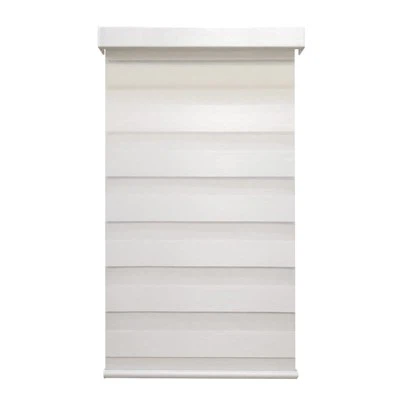
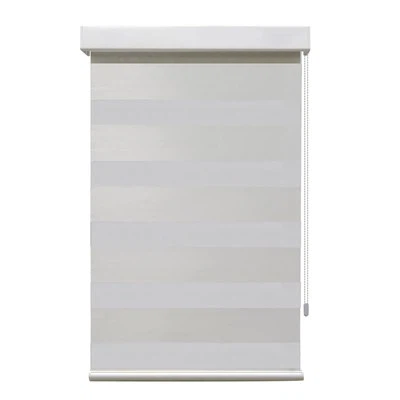
Textile Venetian Blind
Textile venetian blinds are made from fabric and are a popular choice for their soft, elegant look. To lubricate textile venetian blinds, it's best to use a silicone spray lubricant. Silicone spray lubricants are safe for use on fabric and will not leave any stains or residue. Simply spray the lubricant onto the cords and pulleys and work it into the moving parts by opening and closing the blinds several times. You can also use a small brush to apply the lubricant to hard-to-reach areas. Textile Venetian Blind
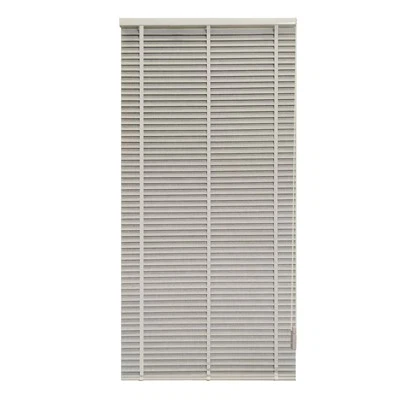
Wood Venetian Blind
Wood venetian blinds are a classic choice for their natural beauty and warmth. To lubricate wood venetian blinds, it's best to use a specialized wood lubricant or a light oil, such as mineral oil or linseed oil. Avoid using silicone spray lubricants or WD-40 on wood blinds, as these can damage the finish of the wood. Apply a small amount of the lubricant to a clean cloth and wipe it onto the cords, pulleys, and tilt mechanism. Work the lubricant into the moving parts by opening and closing the blinds several times. Wood Venetian Blind
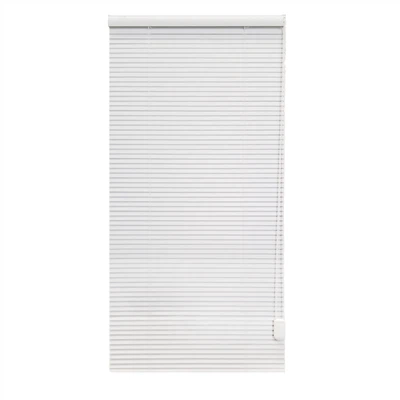
Aluminum Venetian Blind
Aluminum venetian blinds are a popular choice for their durability and affordability. To lubricate aluminum venetian blinds, you can use a variety of lubricants, including silicone spray, WD-40, or a specialized blind lubricant. Simply spray the lubricant onto the cords, pulleys, and tilt mechanism and work it into the moving parts by opening and closing the blinds several times. You can also use a small brush to apply the lubricant to hard-to-reach areas. Aluminum Venetian Blind
How Often Should You Lubricate Your Venetian Blinds?
The frequency with which you should lubricate your venetian blinds depends on a variety of factors, including how often you use the blinds, the environment in which they are installed, and the type of lubricant you use. As a general rule, it's a good idea to lubricate your blinds at least once a year to keep them operating smoothly. However, if you use your blinds frequently or if they are installed in a dusty or humid environment, you may need to lubricate them more often.


Conclusion
Lubricating the mechanisms of your venetian blinds is an important part of maintaining their performance and longevity. By following the tips outlined in this blog post, you can keep your blinds operating smoothly and prevent them from jamming or malfunctioning. If you have any questions or need further assistance, please don't hesitate to contact us. We're here to help you find the perfect window coverings for your home or business and to provide you with the support and guidance you need to keep them looking and working their best.
References
- "Venetian Blinds Maintenance Guide." Home Improvement Magazine.
- "How to Lubricate Window Blinds." DIY Home Repair Blog.