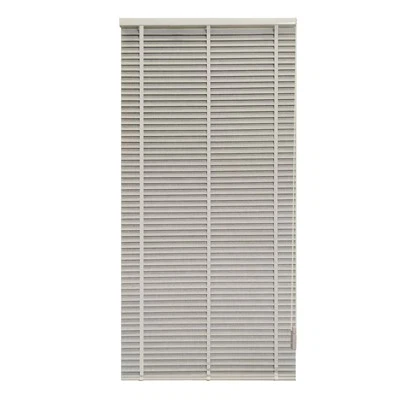
Wood Venetian blinds and aluminum Venetian blinds are two popular choices for window coverings, each with its own unique set of characteristics and advantages. As a supplier of Wood Venetian Blind, I have had the opportunity to closely examine and compare these two types of blinds. In this blog, I will delve into the various aspects of wood and aluminum Venetian blinds to help you make an informed decision when choosing the right window covering for your space.
Appearance and Aesthetic Appeal
One of the most significant differences between wood and aluminum Venetian blinds lies in their appearance. Wood Venetian blinds exude a warm, natural, and elegant charm that can instantly enhance the aesthetic appeal of any room. The natural grain patterns and textures of wood add a touch of sophistication and authenticity, making them a popular choice for traditional, rustic, or Mediterranean-style interiors. Wood blinds come in a variety of wood species, such as oak, maple, cherry, and basswood, each with its own distinct color and grain pattern, allowing you to choose the one that best suits your decor.
On the other hand, aluminum Venetian blinds offer a more modern and sleek look. They are available in a wide range of colors, including neutral shades like white, black, and gray, as well as bold and vibrant hues, making them a versatile option for contemporary and minimalist interiors. Aluminum blinds have a smooth and uniform surface, which gives them a clean and professional appearance. Their lightweight and slim design also make them suitable for smaller windows or spaces where a more streamlined look is desired.
Durability and Longevity
When it comes to durability, both wood and aluminum Venetian blinds have their strengths. Wood blinds are known for their robustness and can withstand the test of time if properly maintained. High-quality hardwoods, such as oak and maple, are particularly durable and resistant to scratches and dents. However, wood is a natural material and can be affected by changes in humidity and temperature. In areas with high humidity, wood blinds may warp, crack, or develop mold if not adequately protected. Regular cleaning and conditioning can help extend the lifespan of wood blinds and keep them looking their best.
Aluminum Venetian blinds, on the other hand, are highly resistant to moisture, rust, and corrosion, making them an excellent choice for areas with high humidity, such as bathrooms and kitchens. They are also more durable than wood blinds in terms of resistance to scratches and dents. Aluminum is a strong and lightweight material that can withstand everyday wear and tear, making it a practical option for high-traffic areas. Additionally, aluminum blinds require minimal maintenance and can last for many years with proper care.
Insulation and Energy Efficiency
Insulation and energy efficiency are important considerations when choosing window coverings, as they can help reduce energy costs and improve the comfort of your home. Wood Venetian blinds offer better insulation properties compared to aluminum blinds. Wood is a natural insulator, which means it can help keep your home warm in the winter and cool in the summer by reducing heat transfer through the windows. By adjusting the angle of the slats, you can control the amount of sunlight and heat entering your room, thereby maximizing energy efficiency.


Aluminum blinds also provide some level of insulation, but they are not as effective as wood blinds. Aluminum is a good conductor of heat, which means it can transfer heat more easily than wood. However, some aluminum blinds are designed with thermal properties or insulating coatings to improve their energy efficiency. These blinds can help reduce heat gain in the summer and heat loss in the winter, but they may not be as efficient as wood blinds in extreme climates.
Privacy and Light Control
Privacy and light control are two essential functions of window coverings. Both wood and aluminum Venetian blinds offer excellent privacy and light control capabilities. By adjusting the angle of the slats, you can easily control the amount of sunlight and visibility entering your room. When the slats are closed, both types of blinds provide complete privacy, blocking the view from the outside. When the slats are partially open, you can allow natural light to filter in while still maintaining some privacy.
However, wood blinds may offer slightly better light control due to their thicker slats. The wider slats of wood blinds can block more light when closed, creating a darker and more private environment. Aluminum blinds, on the other hand, typically have thinner slats, which may allow some light to seep through when closed. However, this can also be an advantage in some situations, as it can create a soft and diffused lighting effect.
Cost
Cost is often a significant factor when choosing window coverings. Wood Venetian blinds are generally more expensive than aluminum Venetian blinds. The cost of wood blinds depends on the type of wood, the quality of the craftsmanship, and the size of the blinds. Hardwoods, such as oak and cherry, are more expensive than softwoods, such as basswood. Additionally, custom-made wood blinds can be significantly more expensive than standard-sized blinds.
Aluminum Venetian blinds are more affordable compared to wood blinds. They are mass-produced, which reduces the manufacturing cost, and are available in a wide range of price points to suit different budgets. The cost of aluminum blinds also depends on the size, color, and additional features, such as motorization or special coatings.
Maintenance
Maintenance is another important consideration when choosing window coverings. Wood Venetian blinds require more maintenance compared to aluminum Venetian blinds. Wood blinds should be dusted regularly with a soft cloth or brush to remove dirt and debris. They should also be cleaned periodically with a mild wood cleaner to maintain their appearance and prevent the buildup of grime. Additionally, wood blinds may need to be reconditioned or refinished every few years to keep them looking their best.
Aluminum Venetian blinds are relatively low-maintenance. They can be dusted with a dry cloth or vacuumed with a brush attachment to remove dust and dirt. If the blinds get dirty, they can be wiped clean with a damp cloth and mild detergent. Aluminum blinds are also resistant to stains and mildew, which makes them easy to clean and maintain.
Environmental Impact
In today's environmentally conscious world, the environmental impact of window coverings is an important consideration. Wood Venetian blinds are a more sustainable option compared to aluminum Venetian blinds. Wood is a renewable resource, and if sourced from responsibly managed forests, it can have a minimal environmental impact. Additionally, wood blinds are biodegradable, which means they can break down naturally at the end of their lifespan.
Aluminum is a non-renewable resource, and the production of aluminum blinds requires a significant amount of energy. However, aluminum is highly recyclable, and many aluminum blinds are made from recycled materials. Recycling aluminum requires much less energy compared to producing new aluminum, which helps reduce the environmental impact of aluminum blinds.
Conclusion
In conclusion, both wood and aluminum Venetian blinds have their own unique advantages and disadvantages. Wood blinds offer a warm, natural, and elegant look, excellent insulation properties, and good privacy and light control. They are a great choice for traditional, rustic, or Mediterranean-style interiors and can add a touch of luxury to any room. However, they are more expensive and require more maintenance compared to aluminum blinds.
Aluminum blinds, on the other hand, offer a modern and sleek look, high durability, and low maintenance. They are a practical option for contemporary and minimalist interiors and are suitable for areas with high humidity or high traffic. They are also more affordable and have a lower environmental impact if made from recycled materials.
Ultimately, the choice between wood and aluminum Venetian blinds depends on your personal preferences, budget, and the specific requirements of your space. If you value the natural beauty and warmth of wood, and are willing to invest in a high-quality, long-lasting window covering, wood Venetian blinds may be the right choice for you. If you prefer a more modern and low-maintenance option, and are looking for an affordable window covering that can withstand the rigors of daily use, aluminum Venetian blinds may be a better fit.
If you are interested in learning more about our Wood Venetian Blind products or would like to discuss your specific needs and requirements, please feel free to reach out. We would be happy to assist you in making the best decision for your window coverings and look forward to the opportunity to work with you on your next project.
References
- "Window Coverings Buying Guide." Consumer Reports.
- "The Benefits of Wood Blinds." Houzz.
- "Aluminum Blinds: Pros and Cons." This Old House.