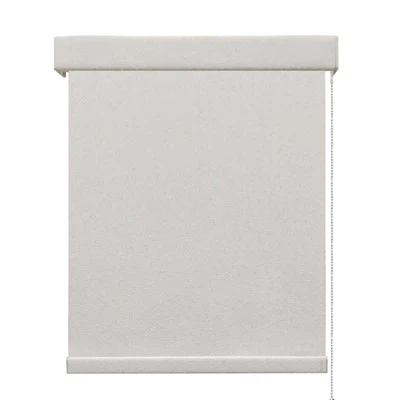
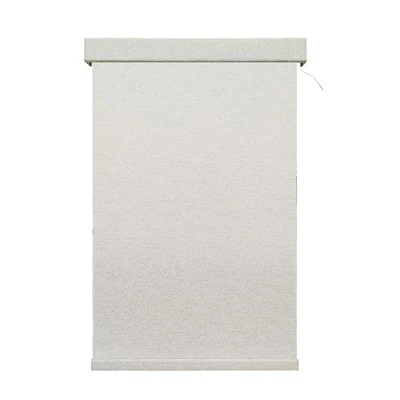
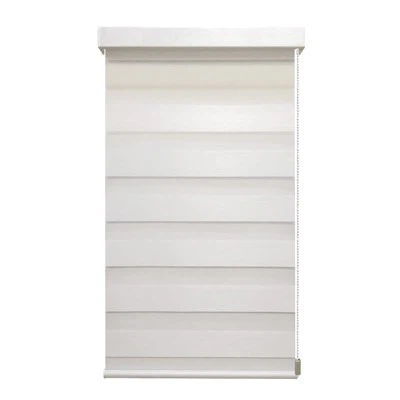
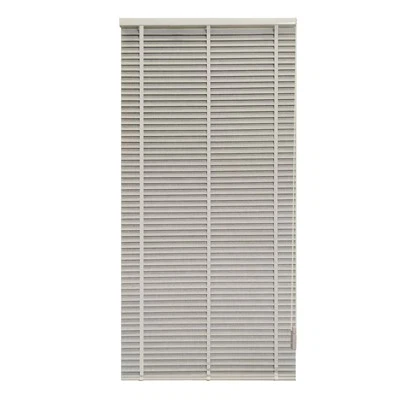
In recent years, motorized roller blinds have gained significant popularity in both residential and commercial settings. Their sleek design, ease of use, and modern appeal often take the spotlight. However, one question that frequently arises among potential buyers is whether motorized roller blinds have a heat - insulating property. As a supplier of motorized roller blinds, I'm here to delve into this topic and provide you with a comprehensive answer.
Understanding Heat Transfer
Before we explore the heat - insulating capabilities of motorized roller blinds, it's essential to understand the basics of heat transfer. There are three primary methods by which heat moves: conduction, convection, and radiation.
Conduction is the transfer of heat through a solid material. For example, if you touch a hot metal object, heat is conducted from the metal to your hand. Convection involves the transfer of heat through the movement of fluids (liquids or gases). Think of a pot of boiling water; as the water at the bottom gets heated, it rises, and cooler water moves down to replace it, creating a convection current. Radiation is the transfer of heat through electromagnetic waves. The sun heats the Earth through radiation.
How Motorized Roller Blinds Can Provide Heat Insulation
Material Selection
The material of the motorized roller blind plays a crucial role in its heat - insulating ability. Many of our Motorized Roller Blinds are made from high - quality fabrics that are specifically designed to block heat. For instance, some fabrics have a reflective coating. This coating reflects a significant portion of the sun's radiant heat, preventing it from entering the room. When sunlight hits the blind, instead of the heat passing through the window and into the interior, it is redirected back outside.
Another type of material commonly used is a thermal - insulating fabric. These fabrics are made with multiple layers or special fibers that trap air. Air is a poor conductor of heat, so when it is trapped within the fabric, it acts as a barrier to reduce the conduction of heat. For example, a honeycomb - structured fabric can create small pockets of air, which slow down the heat transfer process.
Installation and Sealing
Proper installation of motorized roller blinds is also key to their heat - insulating performance. When the blinds are installed close to the window, they create an additional air cavity between the blind and the glass. This air cavity acts as an insulating layer, further reducing heat transfer through convection.
In addition, ensuring that the blinds fit snugly within the window frame and along the edges can prevent drafts. Drafts are a form of convection that can quickly carry heat in or out of a room. Our installation team is trained to ensure that your Pull - Chain Motorized Roller Blind is installed with precision, maximizing its heat - insulating potential.
Benefits of Heat - Insulating Motorized Roller Blinds
Energy Savings
One of the most significant benefits of using heat - insulating motorized roller blinds is the potential for energy savings. In the summer, by blocking the sun's heat from entering the room, you can reduce the reliance on air - conditioning systems. This leads to lower energy consumption and reduced electricity bills. Similarly, in the winter, the blinds can help keep the warm air inside the room, reducing the need for excessive heating.
Comfort Improvement
Heat - insulating blinds also enhance the comfort of your living or working space. By regulating the temperature, they prevent rooms from becoming too hot in the summer or too cold in the winter. This creates a more pleasant and consistent indoor environment, whether you're relaxing at home or working in an office.
Sun Protection
In addition to heat insulation, motorized roller blinds can also protect your furniture, flooring, and artwork from sun damage. The sun's ultraviolet (UV) rays can fade and damage these items over time. Our heat - insulating blinds can block a significant amount of UV rays, extending the lifespan of your interior furnishings.
Comparing with Other Types of Blinds
It's worth comparing motorized roller blinds with other types of blinds in terms of heat insulation. For example, Chain Roller Blinds that are manually operated often rely solely on the fabric for insulation. While they can still provide some heat - blocking effects, motorized roller blinds offer more flexibility. You can easily adjust the position of the motorized blinds using a remote control or a smart home system. This allows you to optimize the heat - insulating performance according to the time of day and the position of the sun.
Vertical blinds, on the other hand, may not provide as effective heat insulation. The gaps between the vertical slats can allow heat to escape through convection. In contrast, motorized roller blinds form a continuous barrier when fully extended, providing better coverage and heat - blocking capabilities.


Measuring Heat - Insulating Performance
There are several ways to measure the heat - insulating performance of motorized roller blinds. One common metric is the solar heat gain coefficient (SHGC). The SHGC measures the fraction of solar radiation that is admitted through a window or blind. A lower SHGC value indicates better heat - blocking ability. Our motorized roller blinds are designed to have a relatively low SHGC, which means they can significantly reduce the amount of solar heat entering a room.
Another important metric is the U - factor. The U - factor measures the rate of heat transfer through a material. A lower U - factor means that less heat is conducted through the blind. We ensure that our motorized roller blinds are made with materials that have a low U - factor, providing effective insulation against both heat gain in the summer and heat loss in the winter.
Real - World Applications
Motorized roller blinds with heat - insulating properties have a wide range of real - world applications. In residential buildings, they can be installed in bedrooms, living rooms, and kitchens to create a more comfortable and energy - efficient living environment. Homeowners can control the blinds using their smartphones, adjusting the position of the blinds based on the outside temperature and the time of day.
In commercial buildings, such as offices, hotels, and retail stores, heat - insulating motorized roller blinds can also bring significant benefits. They can help reduce energy costs for businesses, while also creating a more pleasant environment for employees and customers. For example, in an office building, the blinds can be programmed to close automatically during the hottest part of the day, reducing the need for air - conditioning.
Conclusion
In conclusion, motorized roller blinds do have heat - insulating properties, thanks to factors such as material selection, proper installation, and advanced design. These properties offer numerous benefits, including energy savings, improved comfort, and sun protection. As a leading supplier of motorized roller blinds, we are committed to providing high - quality products that meet and exceed your heat - insulating needs.
If you are interested in learning more about our motorized roller blinds or would like to discuss a potential purchase, please don't hesitate to contact us. Our team of experts is ready to assist you with product selection, installation, and any other questions you may have. Let us help you create a more energy - efficient and comfortable space with our top - of - the - line motorized roller blinds.
References
ASHRAE Handbook of Fundamentals. American Society of Heating, Refrigerating and Air - Conditioning Engineers.
Window Energy Rating Council. Technical documents on window and blind performance.