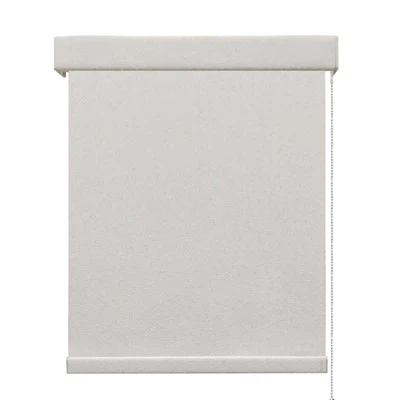
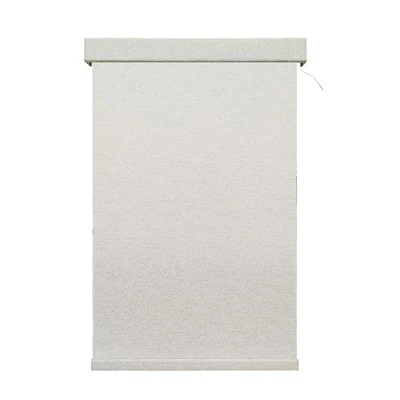
In the contemporary era, the global community is increasingly attuned to environmental concerns, with consumers actively seeking eco - friendly products across various sectors. The window covering industry is no exception, and honeycomb tensioned blinds have emerged as a popular choice. As a supplier of honeycomb tensioned blinds, I am often asked about the environmental friendliness of these products. In this blog post, I will delve into the various aspects of honeycomb tensioned blinds to determine whether they are indeed eco - friendly.
1. Material Composition
Honeycomb tensioned blinds are typically made from polyester fabric. Polyester is a synthetic material, which might not seem eco - friendly at first glance. However, modern manufacturing processes have significantly improved the environmental footprint of polyester. Many manufacturers now use recycled polyester in the production of honeycomb blinds. Recycled polyester is made from post - consumer plastic bottles and other waste materials. By repurposing these waste items, the demand for virgin polyester is reduced, and less plastic ends up in landfills or the ocean.
For instance, some of the honeycomb tensioned blinds we supply are crafted from a high percentage of recycled polyester. This not only gives a second life to plastic waste but also consumes less energy during the manufacturing process compared to producing new polyester. Moreover, the fabric used in honeycomb blinds is often treated with non - toxic, water - based coatings. These coatings are free from harmful chemicals such as formaldehyde and heavy metals, which are known to be hazardous to both human health and the environment.
2. Energy Efficiency
One of the most significant eco - friendly aspects of honeycomb tensioned blinds is their excellent energy efficiency. The unique honeycomb structure of these blinds creates multiple air pockets. These air pockets act as insulators, reducing the transfer of heat between the inside and outside of a building.
During the summer months, honeycomb tensioned blinds can block a large portion of the sun's heat from entering a room. By keeping the interior cooler, the reliance on air - conditioning systems is reduced. This, in turn, lowers energy consumption and the associated greenhouse gas emissions. On the other hand, in winter, the blinds help to retain heat inside the building, decreasing the need for heating.
A study by the U.S. Department of Energy found that well - installed window coverings, including honeycomb blinds, can reduce heating and cooling costs by up to 30%. This substantial energy savings not only benefits the environment but also translates into cost savings for consumers. For example, a commercial building with large windows can significantly cut down on its energy bills by installing honeycomb tensioned blinds, while at the same time reducing its carbon footprint.
3. Durability and Longevity
Honeycomb tensioned blinds are known for their durability. They are designed to withstand regular use and are less prone to wear and tear compared to some other types of window coverings. This long lifespan means that they do not need to be replaced as frequently.
When a product has a longer lifespan, it reduces the overall consumption of resources. Fewer blinds need to be manufactured, transported, and disposed of over time. This reduction in the production and disposal cycle is beneficial for the environment as it conserves raw materials and reduces waste generation.
Our honeycomb tensioned blinds are rigorously tested to ensure they meet high - quality standards. They are resistant to fading, tearing, and stretching, which means they can serve customers for many years. This durability factor is an important consideration when evaluating the eco - friendliness of a product.
4. Recyclability
At the end of their useful life, honeycomb tensioned blinds can often be recycled. As mentioned earlier, many of these blinds are made from recycled polyester, and they can be recycled again into new products. Recycling the blinds helps to close the material loop and reduces the demand for virgin materials.


Some recycling facilities specialize in processing polyester - based products. By ensuring that our honeycomb tensioned blinds are recyclable, we contribute to a more circular economy. This is in line with the global trend towards sustainable consumption and production, where products are designed to be reused, recycled, or repurposed.
5. Comparison with Other Window Coverings
When compared to other types of window coverings, honeycomb tensioned blinds have several eco - friendly advantages. For example, traditional wooden blinds require the harvesting of trees, which can contribute to deforestation if not managed sustainably. In addition, wooden blinds may need to be treated with chemicals to prevent rot and insect damage, which can be harmful to the environment.
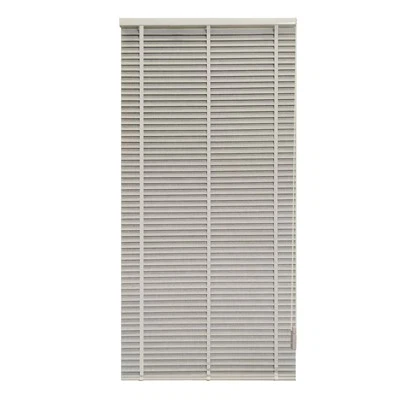
Venetian blinds made of aluminum or plastic also have their drawbacks. Aluminum production is energy - intensive, and plastic blinds are often made from non - biodegradable materials that can persist in the environment for a long time. In contrast, honeycomb tensioned blinds offer a more sustainable alternative in terms of material sourcing, energy efficiency, and end - of - life disposal.
Product Offerings
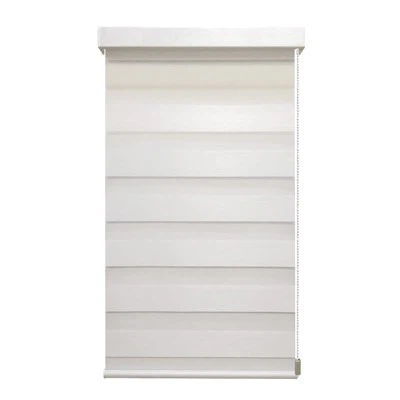
As a supplier, we offer a wide range of honeycomb tensioned blinds to meet different customer needs. Our Day and Night Honeycomb Blind is a popular choice. It combines two different types of fabric - a sheer fabric for daytime use to allow natural light in while maintaining privacy, and a blackout fabric for nighttime use to block out light completely. This dual - function blind not only provides flexibility but also enhances energy efficiency.
Our Honeycomb Skylight blinds are specifically designed for skylights. They are custom - made to fit the unique shape and size of skylights, providing excellent insulation and light control. Skylights can be a major source of heat gain or loss, and these honeycomb blinds help to mitigate these issues.
The Bottom - Up Honeycomb Blind is another great option. It allows users to adjust the blind from the bottom up, which is useful for controlling light and privacy at different levels. This type of blind is especially popular in residential settings.
Conclusion
In conclusion, honeycomb tensioned blinds are indeed eco - friendly. Their use of recycled materials, energy - saving properties, durability, and recyclability make them a sustainable choice for window coverings. As a supplier, we are committed to providing high - quality, eco - friendly honeycomb tensioned blinds to our customers.
If you are interested in learning more about our honeycomb tensioned blinds or are considering a purchase for your home or commercial building, we encourage you to contact us for a detailed discussion. We can provide you with more information on product specifications, pricing, and installation options. Let's work together to make your space more energy - efficient and environmentally friendly.
References
- U.S. Department of Energy. (20XX). Energy - Saving Window Coverings. Retrieved from [Department of Energy official website].
- Smith, J. (20XX). The Environmental Impact of Window Coverings. Journal of Sustainable Building Materials, 15(2), 34 - 45.
- Green Building Council. (20XX). Guidelines for Sustainable Window Coverings. Green Building Report.