Living near the coast has its perks—the fresh sea breeze, the sound of waves crashing, and the stunning ocean views. But it also comes with unique challenges, especially when it comes to home decor and window treatments. As a honeycomb blinds supplier, I often get asked if honeycomb blinds are a good fit for coastal homes. In this blog, I'll share my insights on why honeycomb blinds can be an excellent choice for those living by the sea.
The Coastal Environment: A Challenge for Window Treatments
Coastal homes are exposed to a harsh environment. The salty air can corrode metals, and the high humidity levels can cause wood to warp and fabrics to mildew. Sunlight is also more intense near the coast, which can fade colors and damage materials over time. These factors make it crucial to choose window treatments that can withstand the elements while still looking great.
What Are Honeycomb Blinds?
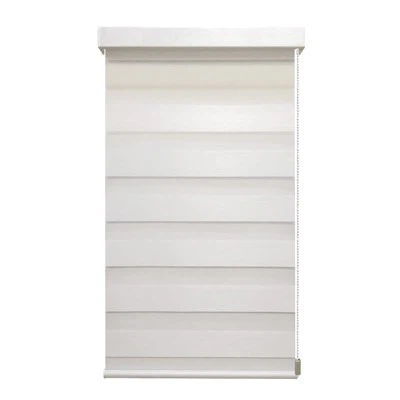
Honeycomb blinds, also known as cellular shades, are made up of multiple layers of fabric that are folded into a honeycomb or cellular shape. This design creates pockets of air that act as insulation, helping to keep your home cool in the summer and warm in the winter. They come in a variety of styles, colors, and opacities, making them a versatile choice for any home.
Benefits of Honeycomb Blinds for Coastal Homes
1. Energy Efficiency
One of the biggest advantages of honeycomb blinds is their energy efficiency. The air pockets in the cellular design act as a barrier, reducing heat transfer through the windows. This means that your home will stay cooler in the summer, reducing your reliance on air conditioning. In the winter, the blinds help to keep the warm air inside, lowering your heating costs. For coastal homes, where the temperature can fluctuate between hot days and cool nights, this energy efficiency is a huge plus.
2. Protection from the Sun
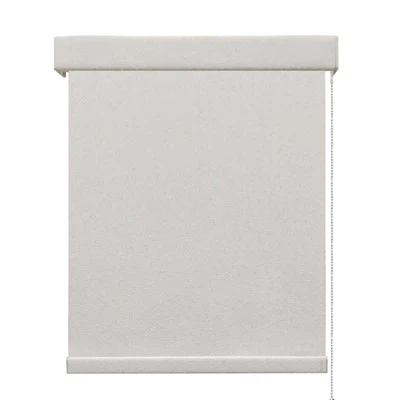
The intense sunlight near the coast can cause furniture, flooring, and artwork to fade over time. Honeycomb blinds can help to block out harmful UV rays, protecting your interior from sun damage. You can choose from different opacities, including blackout options, to control the amount of light that enters your home. For example, if you have a living room with a lot of windows facing the ocean, you can install Top-Down and Bottom-Up Honeycomb Blind to let in natural light while still protecting your furniture.
3. Durability
Honeycomb blinds are made from high-quality fabrics that are designed to withstand the elements. They are resistant to moisture, mildew, and fading, making them a great choice for coastal homes. Unlike some other window treatments, honeycomb blinds won't warp or rot in the humid coastal environment. They are also easy to clean—simply vacuum or wipe them down with a damp cloth.
4. Style and Versatility
Honeycomb blinds come in a wide range of styles and colors, so you can find the perfect match for your coastal home. Whether you prefer a modern, minimalist look or a more traditional style, there's a honeycomb blind for you. You can also choose from different operating systems, such as cordless or motorized, for added convenience. For skylights, Honeycomb Skylight blinds are a great option, as they can be customized to fit any size or shape.
5. Privacy
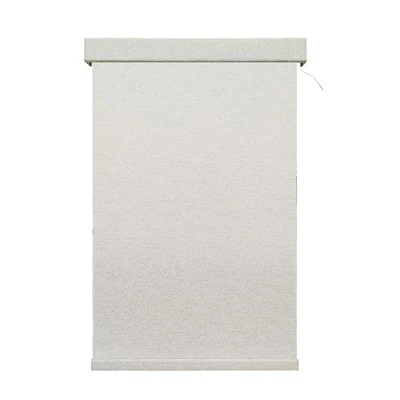
Coastal homes often have large windows with great views, but this can also mean less privacy. Honeycomb blinds allow you to control the amount of privacy you have while still enjoying the view. You can adjust the blinds to let in light while keeping the outside world from seeing in. For example, Bottom-Up Honeycomb Blind can be raised from the bottom to let in light while maintaining privacy at the top of the window.


Choosing the Right Honeycomb Blinds for Your Coastal Home
When choosing honeycomb blinds for your coastal home, there are a few things to consider:
1. Material
Look for blinds made from moisture-resistant and fade-resistant materials. Some honeycomb blinds are treated with special coatings to make them more durable in a coastal environment.
2. Color
Choose a color that complements your home's exterior and interior design. Lighter colors can reflect sunlight and keep your home cooler, while darker colors can provide more privacy and block out more light.
3. Opacity
Decide how much light you want to let in and how much privacy you need. You can choose from sheer, light-filtering, or blackout options.
4. Style
Consider the style of your home and choose blinds that match. There are many different styles available, including top-down/bottom-up, cordless, and motorized.
Installation and Maintenance
Installing honeycomb blinds is relatively easy, but it's important to follow the manufacturer's instructions carefully. If you're not comfortable installing the blinds yourself, you can hire a professional installer.
Maintenance is also simple. Regularly vacuum or wipe down the blinds with a damp cloth to keep them clean. If you notice any stains or dirt, you can spot clean them with a mild detergent.
Conclusion
In conclusion, honeycomb blinds are an excellent choice for coastal homes. They offer energy efficiency, protection from the sun, durability, style, and privacy. With a wide range of options available, you can find the perfect honeycomb blinds to suit your home's needs and your personal style.
If you're interested in learning more about honeycomb blinds for your coastal home or would like to discuss your options, feel free to reach out. I'm here to help you find the best window treatments for your home and answer any questions you may have. Let's work together to make your coastal home even more comfortable and beautiful.
References
- "Energy-Efficient Window Treatments." U.S. Department of Energy.
- "How to Choose the Right Window Blinds." HomeAdvisor.