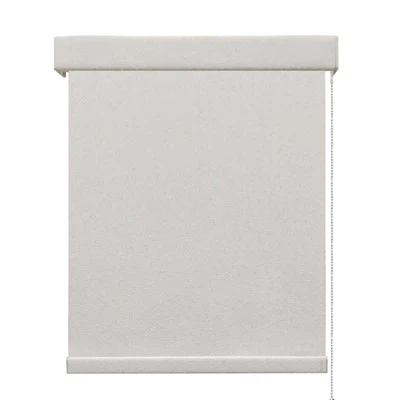
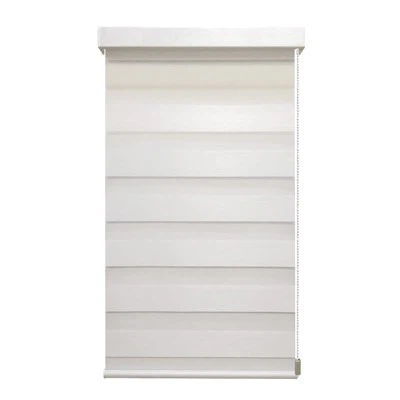
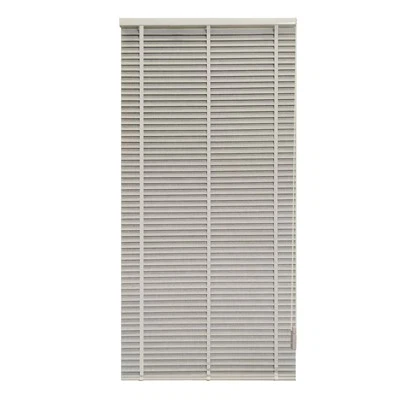
Hey there! I'm a supplier of Bottom-Up Honeycomb Blinds, and I often get asked the question: Are bottom-up honeycomb blinds more expensive than regular blinds? Well, let's dive right into it and break down the factors that can influence the cost of these two types of blinds.
First off, let's talk a bit about what bottom-up honeycomb blinds are. These blinds are a type of window covering that have a unique honeycomb structure. The cells in the honeycomb design help to trap air, which can provide better insulation for your home. And the bottom-up feature allows you to raise the blinds from the bottom, giving you more control over the amount of light and privacy you want. You can check out our Bottom-Up Honeycomb Blind for more details.
On the other hand, regular blinds come in a wide variety of styles, like Venetian blinds, roller blinds, and vertical blinds. They're pretty common and have been around for a long time. Each type of regular blind has its own set of features and price points.
Now, let's get to the cost comparison. There are several factors that can make bottom-up honeycomb blinds more or less expensive than regular blinds.
Material
The material used to make the blinds is a major factor in determining the cost. Bottom-up honeycomb blinds are typically made from a special type of fabric that's designed to create the honeycomb structure. This fabric can be more expensive than the materials used for regular blinds. For example, Venetian blinds are often made from aluminum or plastic, which are relatively inexpensive materials. However, if you opt for high-quality regular blinds made from wood or natural fibers, the cost can be quite high.
Manufacturing Process
The manufacturing process for bottom-up honeycomb blinds is more complex than that of regular blinds. Creating the honeycomb structure requires precision and specialized equipment. This can add to the production cost, which is then reflected in the price of the blinds. Regular blinds, especially those made from simple materials like plastic or aluminum, are easier and cheaper to manufacture.
Insulation and Energy Efficiency
One of the biggest selling points of bottom-up honeycomb blinds is their insulation properties. The trapped air in the honeycomb cells acts as a barrier, helping to keep your home warm in the winter and cool in the summer. This can lead to energy savings on your heating and cooling bills. While some regular blinds may offer some level of insulation, it's usually not as effective as that of honeycomb blinds. The added energy efficiency of bottom-up honeycomb blinds can justify a higher price tag for many homeowners.


Customization
Bottom-up honeycomb blinds often offer more customization options than regular blinds. You can choose from a variety of colors, sizes, and styles to match your home decor. You can also add features like motorization or blackout lining. These customization options can increase the cost of the blinds. Regular blinds may have fewer customization options, which can make them more affordable in some cases.
Brand and Quality
Just like with any product, the brand and quality of the blinds can have a big impact on the price. Well-known brands that are known for their high-quality products may charge more for their bottom-up honeycomb blinds. However, you're also getting a product that's likely to last longer and perform better. When it comes to regular blinds, there's a wide range of quality levels available, from budget-friendly options to high-end designer blinds.
So, are bottom-up honeycomb blinds more expensive than regular blinds? In general, yes, they tend to be more expensive. But it really depends on the specific type of regular blinds you're comparing them to and the features you're looking for.
If you're on a tight budget, regular blinds may be the way to go. You can find some great options at a lower cost. However, if you're willing to invest a little more in your window coverings, bottom-up honeycomb blinds offer a lot of benefits. They can improve the energy efficiency of your home, provide better privacy, and add a touch of style to your windows.
We also offer other types of honeycomb blinds, like the Day and Night Honeycomb Blind, which allows you to switch between light filtering and blackout modes. And if you have skylights, our Honeycomb Skylight blinds are a great option.
If you're interested in learning more about our bottom-up honeycomb blinds or getting a quote, feel free to reach out. We're here to help you find the perfect window coverings for your home. Whether you're looking for a cost-effective solution or a high-end product with all the bells and whistles, we've got you covered.
References
- Window Covering Manufacturers Association. (n.d.). Types of Window Blinds.
- Energy Star. (n.d.). Energy-Efficient Window Coverings.